


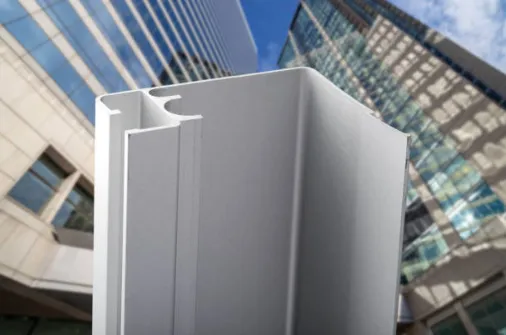
Large buildings in India need glazing that keeps people comfortable while controlling energy use. A warm edge spacer in India helps do both. This slim part sits between the panes of an insulating glass unit and reduces heat flow at the glass edge. The result is better indoor temperatures, less condensation, and lower running costs in offices, malls, hotels, airports, hospitals, and campuses.
What is a warm edge spacer
A warm edge spacer is a strip that separates two or three glass panes and holds the cavity gas. Older spacers used aluminium, which conducts heat easily and creates a cold border around the glass. Warm edge spacers use low-conductivity materials such as stainless steel, hybrid stainless with polymer, or advanced composites. This limits thermal bridging and keeps the inner glass edge warmer.
How it works at the glass edge
- Reduces heat transfer at the perimeter of the pane
- Keeps interior glass surface temperatures higher
- Limits condensation and the risk of mould near frames
- Helps the unit retain argon or krypton gas for longer
Why warm edge matters in large Indian projects
Commercial buildings have long glass lines and large glazed areas. Small gains at the edge add up across hundreds of windows.
- Better comfort
Fewer cold spots next to windows, less downdraft, more even room temperatures. - Energy savings
Lower thermal losses cut HVAC loads during long summers and in cooler seasons across the North and high altitudes. - Moisture control
Higher edge temperatures reduce fogging and water droplets, protecting finishes and keeping work areas clean. - Long service life
Lower stress on seals means fewer failures and fewer replacements over time.
Comfort that people can feel
Stable temperatures
Warm edge spacers lift the inner glass edge temperature. Seats near the facade become usable all day, which matters in open offices, lounges, and food courts.
Better indoor air quality
Less condensation means less chance of damp patches around frames. That helps housekeeping teams maintain hygiene in healthcare and hospitality.
Improved occupant satisfaction
Consistent conditions reduce complaints, support productivity, and make it easier to plan furniture layouts close to the window line.
Preventing Seal Failures in Commercial Windows
One of the biggest problems in large glass installations is seal failure. When the edge seal weakens, moisture enters, causing fogging and reducing efficiency. Instead of dealing with costly replacements later, many builders now choose reliable warm edge spacer systems that keep seals stronger for longer. This practical choice not only saves costs but also reduces project delays linked to repairs.
Materials and types you will see
- Stainless steel
Thin stainless resists heat flow better than aluminium, stays dimensionally stable, and works well with silicone secondary seals. - Hybrid stainless with polymer back
Combines strength at the sightline with a low-conductivity body to cut edge losses further. - Composite or foam spacers
Very low thermal conductivity with integrated desiccant. Good for high performance facades and triple glazing.
Common options include different sightline heights, colours to match frames, and corner keys or bendable coils. Choose a system tested for gas retention and seal compatibility.
Specification tips for India
Match to climate zone
- Hot and dry, warm and humid, composite cities
Prioritise low U-value and pair warm edge spacers with low-E double glazing filled with argon. - Temperate and cold regions
Consider triple glazing or higher performance composites for winter comfort.
Pair with the right frame
A warm edge spacer works best with thermally broken aluminium, uPVC, or high-performance steel systems. Avoid creating a new thermal bridge at the frame.
Think whole-window performance
Ask for certified values for U-value, condensation resistance, and psi value. The spacer improves the edge; the glass coating and frame complete the result.
Acoustic goals
For meeting rooms, hotels, and healthcare, combine warm edge with laminated glass and appropriate cavity widths to manage noise.
Installation and quality checklist
- Primary seal
Use fresh PIB butyl, applied cleanly for gas tightness. - Secondary seal
Choose silicone or polysulphide approved for the spacer system. - Gas fill and retention
Specify argon content by percentage and ask for test certificates. - Edge deletion
Ensure low-E coatings are correctly deleted at the bond line. - Clean manufacture
Fabrication should be in controlled, dust-free areas to protect seals. - Mock-up and test
Build a facade mock-up for on-site checks of sightlines, corners, and condensation behaviour.
Maintenance and durability
Warm edge IGUs are low maintenance, but routine checks help:
- Inspect for fogging, water ingress, or failed seals
- Keep drainage paths and weep holes clear in frames
- Replace gasket sections that harden in harsh sun
- Record batch numbers for quick warranty action if a unit fails
Where warm edge spacers deliver quick wins
- Corporate offices
More usable perimeter desks and better comfort at the window line. - Hospitals and laboratories
Drier frames and fewer cleaning cycles in sensitive areas. - Retail and airports
Clear glass with less fogging in high footfall zones. - Hospitality and education
Stable indoor conditions that support guest comfort and learning.
Procurement and B2B support in India
For large orders you need steady supply, consistent quality, and on-time delivery. Companies such as M3 Extrusion support B2B projects with bulk manufacturing, size and colour options, and technical coordination with fabricators. Early engagement helps align spacer choice with facade details, sealants, and logistics for multi-phase sites.
FAQs
Q1. What is the main benefit of warm edge over aluminium spacers
Warm edge spacers conduct far less heat at the glass edge, which reduces energy loss and condensation. That translates to better comfort and lower risk of damp near windows.
Q2. Are warm edge spacers suitable for India’s varied climates
Yes. They help in hot regions by lowering cooling loads and in cooler regions by keeping the inner glass edge warmer in winter.
Q3. Do they increase project cost
Unit price can be slightly higher than standard spacers, but lifetime costs are usually lower because of energy savings, fewer failures, and less maintenance.
Q4. Can I use warm edge with double and triple glazing
Yes. They are available for both. Choose the spacer type based on required U-value, condensation resistance, and facade depth.
Q5. How do I choose a reliable supplier in India
Look for test data for U-value and psi, gas retention certificates, sealant compatibility reports, and bulk production capacity. Providers like M3 Extrusion can also coordinate colours, sightlines, and delivery schedules for large lots.
Q6. Will a warm edge spacer help with noise
Indirectly. The spacer itself is about thermal control, but when combined with laminated glass and the right cavity, overall acoustic performance improves.
Conclusion
Warm edge spacers make glass facades more comfortable, efficient, and durable. They raise inner surface temperatures, limit condensation, and support lower HVAC demand across long building life. With the right material choice, correct installation, and regular checks, large commercial projects in India gain steady comfort for occupants and predictable costs for owners. If you are comparing options during design, include warm edge technology on your shortlist and review the long-term cost benefits alongside energy modelling and maintenance plans.