


Water damage doesn’t discriminate, it can hit any property when you least expect it, leaving chaos and potential structural harm in its wake. Whether we’re talking about a cozy family home or a sprawling office complex, the basic mission stays the same: get the water out, dry everything thoroughly, and prevent additional damage. But here’s where things get interesting. The actual approach, the scope of work, and the complexity involved? Those vary wildly between residential and commercial properties. For property owners, managers, and restoration pros alike, grasping these distinctions isn’t just helpful, it’s essential for bouncing back effectively from water-related disasters.
Scale and Scope of Restoration Projects
Let’s start with the most obvious difference: size matters. Residential water damage restoration typically deals with manageable spaces, think apartments, single-family homes, maybe a townhouse. Restoration crews can usually wrap up these projects within a few days to a couple of weeks at most. Commercial properties, though? That’s a whole different ball game.
Equipment and Technology Requirements
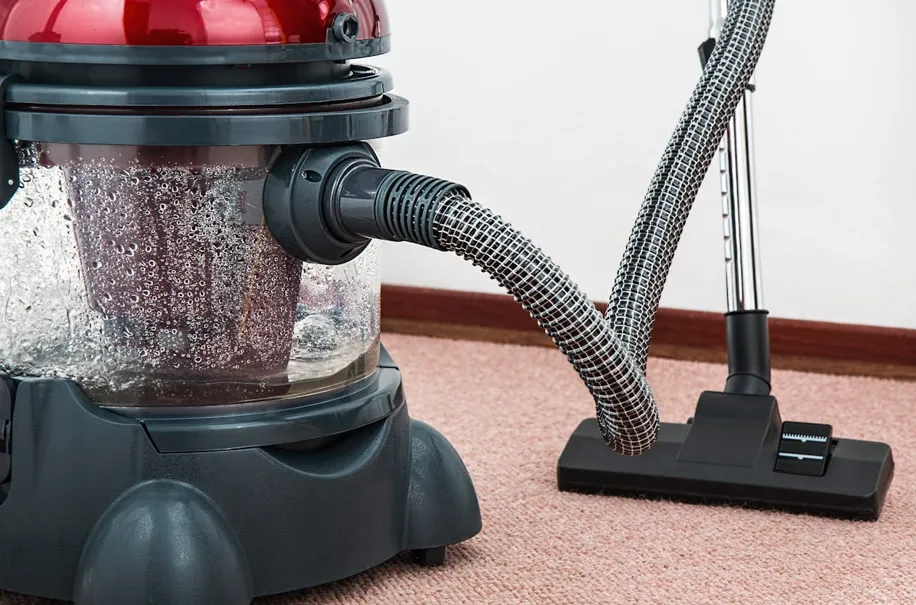
Gear, commercial water damage restoration doesn’t mess around. Residential projects might roll in with portable dehumidifiers, some air movers, and standard extraction equipment, pretty straightforward stuff. But commercial jobs? They need the heavy hitters. We’re talking truck-mounted extraction systems that can handle massive volumes, industrial-strength dehumidifiers that could dry out a small warehouse, and cutting-edge moisture detection tech that monitors huge areas all at once.
Business Interruption and Timeline Considerations
Here’s where the stakes get dramatically different. When water damages a home, the main concern revolves around displacing the family and dealing with personal inconvenience, undeniably stressful, but primarily a personal matter. Commercial water damage? That’s an entirely different beast because every hour that business stays closed means money walking out the door. Restaurants can’t serve customers, retail stores can’t make sales, medical facilities can’t treat patients, and offices can’t conduct business, the financial bleeding starts immediately and doesn’t stop until operations resume.
Regulatory Compliance and Documentation Standards
If you think all water damage restoration follows the same rules, think again. Commercial projects operate under far stricter regulatory requirements than their residential counterparts. Commercial properties must tick boxes for various building codes, occupational safety regulations, health department standards, and industry-specific rules that change depending on the business type. Healthcare facilities, restaurants, and schools face particularly tough standards that restoration teams need to understand inside and out throughout the entire restoration process. When navigating these complex requirements, many property managers rely on a professional restoration company to ensure full compliance with all applicable regulations while minimizing business disruption.
Specialized Materials and Structural Considerations
Commercial buildings throw curveballs that residential properties simply don’t. The materials and structural elements you’ll find in commercial spaces present unique restoration challenges that require specialized knowledge and techniques. Commercial, grade carpeting, epoxy floor coatings, polished concrete, or anti-static materials can’t be treated the same way you’d handle residential flooring, each requires specific approaches and expertise. Wall systems in commercial environments often include fire-rated assemblies, movable partition systems, and specialty finishes that standard residential methods can’t touch.
Insurance and Financial Implications
The insurance world for commercial water damage is a different universe compared to residential claims. We’re dealing with higher coverage limits, substantially larger deductibles, and policy complexities that residential insurance rarely approaches. Commercial property insurance policies typically carry multiple endorsements and business interruption provisions that don’t exist in standard homeowners’ policies. The claims process for commercial properties demands extensive documentation, itemized cost breakdowns, and often involves juggling multiple stakeholders, property owners, business operators, and tenant representatives all need to be on the same page.
Conclusion
The gap between residential and commercial water damage restoration runs deeper than you might think, it’s not just about square footage. We’re talking about fundamentally different requirements for equipment, regulatory compliance, timeline expectations, and financial complexity. Sure, both types of restoration share the same ultimate goal of returning properties to their pre-loss condition, but the pathways, expertise, and resources needed to get there are worlds apart. Property owners and managers need to recognize these critical distinctions when choosing restoration services, making sure they’re partnering with companies that have the right experience, equipment, and capabilities for their specific property type.