


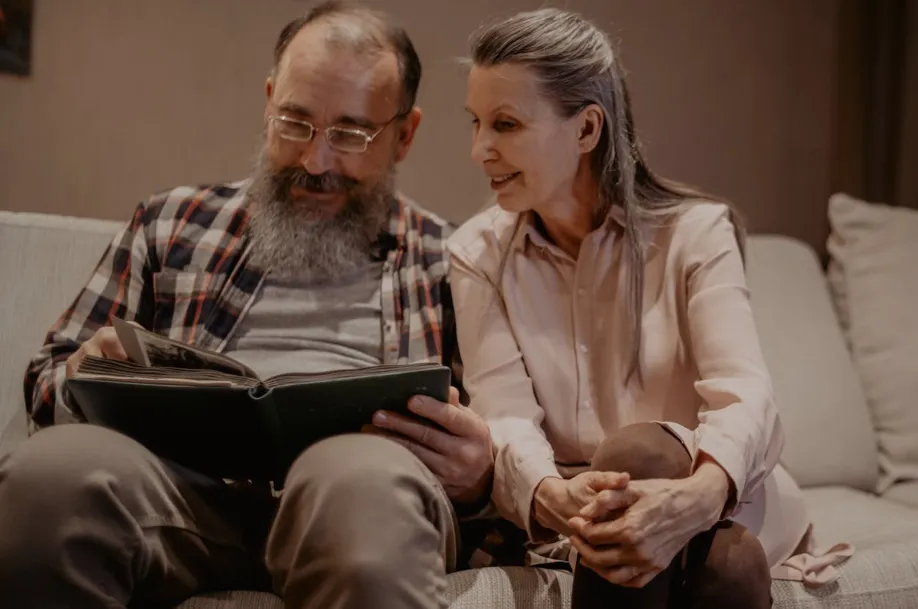
Memory loss in seniors brings challenges that go beyond simple forgetfulness, it touches every aspect of daily life and requires thoughtful environmental adjustments. The space where someone lives can either support their remaining abilities or create unnecessary obstacles that increase confusion and anxiety. Families often find themselves balancing safety concerns with their loved one’s need for independence and dignity. What’s becoming increasingly clear is that the physical environment isn’t just a backdrop, it’s an active participant in managing symptoms and preserving quality of life.
Understanding the Impact of Environment on Memory Loss
The spaces we inhabit shape our experiences more profoundly than most people realize, especially for those dealing with memory challenges. A familiar kitchen layout, the same path to the bedroom, or a favorite chair in its usual spot, these consistencies become anchors when memory becomes unreliable. Research continues to reveal just how much environmental factors can either worsen confusion or provide crucial support for declining cognitive function. Lighting that eliminates shadows, color contrasts that define boundaries, and thoughtful spatial organization all play roles in helping individuals process their surroundings.
Essential Safety Modifications for the Home
Safety modifications don’t have to transform a home into something unrecognizable, they should blend seamlessly while reducing risks that come with memory impairment. Start by walking through each room from a senior’s perspective, looking for obstacles like area rugs that could catch a toe or extension cords stretched across walkways. Installing grab bars in bathrooms and along hallways provides steady support without being obtrusive, while improved lighting eliminates the dark corners where disorientation often strikes. Kitchen safety deserves special attention since stoves, sharp objects, and cleaning chemicals pose real dangers when memory falters, automatic shut, off devices and locked cabinets offer protection without removing all autonomy.
Creating Routines and Structured Daily Activities
There’s something deeply comforting about knowing what comes next, and this becomes even more crucial when memory can’t be trusted to provide that information. Establishing consistent times for meals, bathing, activities, and rest creates a rhythm that reduces anxiety and helps orient seniors throughout their day. Visual schedules, whether they’re simple written lists or picture-based calendars, reinforce these patterns and cut down on repetitive questions about upcoming events. Activities that tap into long-held interests and preserved skills offer more than just entertainment; they provide purpose, boost self-esteem, and keep cognitive functions engaged. Simple contributions like folding towels, helping with meal preparation, or watering plants create moments of accomplishment that matter. Flexibility within this structure is equally important since cognitive abilities can fluctuate from day to day based on sleep, mood, and countless other factors. When home adaptations can no longer fully address evolving needs, many families begin considering senior living options in Escondido that offer specialized memory care programs with professionally trained staff and environments specifically designed for cognitive support.
Promoting Social Engagement and Emotional Support
Isolation quietly erodes quality of life, and for seniors with memory loss, maintaining social connections becomes both more challenging and more essential. Regular interactions with family, friends, and consistent caregivers provide the human contact that keeps individuals engaged with the world around them. Group activities calibrated for varying cognitive levels ensure everyone can participate without facing frustration or highlighting what they can no longer do. Memory care programs that incorporate music therapy, art sessions, and reminiscence activities tap into emotional memories and long-term recall that often remain intact even when recent memory fades.
Utilizing Technology and Monitoring Systems
Technology has evolved to offer remarkably helpful tools that enhance safety without making seniors feel constantly watched or controlled. Motion sensors and door alarms provide alerts about nighttime wandering or unexpected exits while still allowing freedom of movement within secure boundaries. Automated medication dispensers take the guesswork out of complex medication schedules, dispensing the right pills at the right times without requiring memory or decision-making. Video monitoring systems let concerned family members check in remotely, offering peace of mind while preserving privacy and reducing the need for round-the-clock physical supervision.
Conclusion
Building a truly supportive environment for seniors with memory loss means looking at the complete picture, physical spaces, daily patterns, emotional needs, and safety considerations all working together. The most effective approaches don’t just protect; they preserve dignity, provide structure while allowing for flexibility, and offer assistance without stripping away independence. Through thoughtful modifications, consistent routines, meaningful social engagement, and smart use of technology, caregivers can dramatically improve daily life for those experiencing cognitive decline. What works brilliantly for one person might need adjustment for another, and needs that are perfectly met today will likely evolve tomorrow, this reality demands ongoing attention and willingness to adapt.