


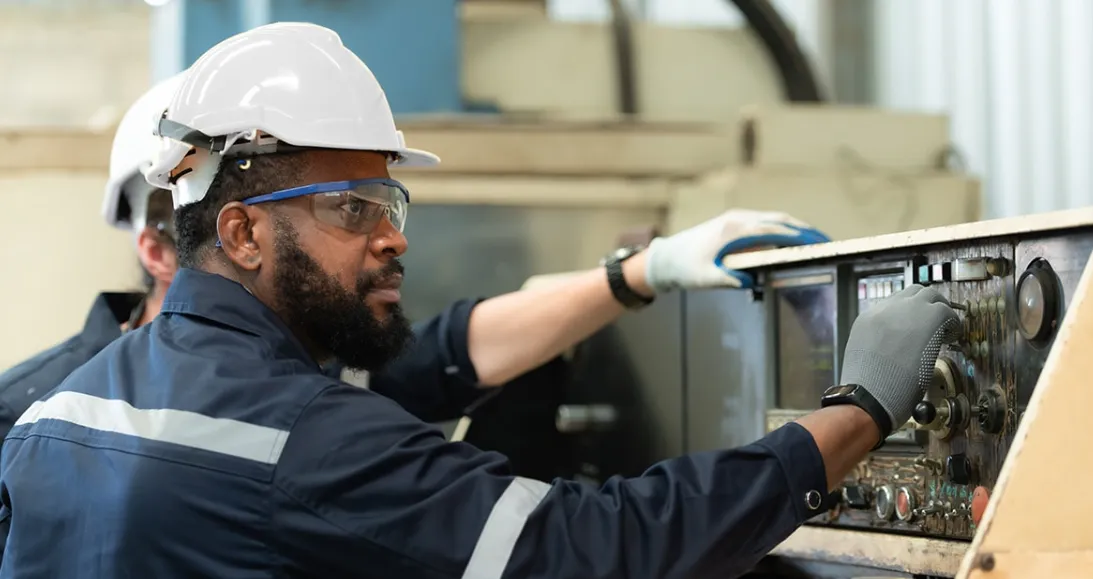
Every moving product tells a story about use. Wheels scuff, rails shine, screws loosen, seals dry out. None of that is a surprise. The surprise comes when wear shows up faster than expected or in places no one thought to check. Good industrial design accepts that friction, dirt, shock, and time are always present. It builds in ways to slow them down and to spot their fingerprints early, so performance stays steady and customers stay confident.
Start By Looking Where Motion Meets Motion
Wear begins at contact points. Anywhere two parts slide, roll, or pivot is a likely candidate. That includes guides and carriages, hinges, bearings, belts, and the faces that bump into stops. The first step is to map those interfaces in plain language. What touches what. How often. How hard. With what kind of dirt in the mix. Once you see the whole chain of contact, you can choose simple ways to reduce stress. Align parts so they meet squarely. Keep soft materials away from sharp edges. Avoid tiny contact patches that take all the force. Small choices at this stage remove the early cracks that later become failures.
Choose Materials and Finishes for The Life They Will Live
A brilliant material in the wrong setting will still fail. Pick metals, plastics, and coatings for the temperature, moisture, cleaning rituals, and vibration they will face. If parts will see repeated movement with light loads, low friction plastics can give you quiet motion and low maintenance. If parts will be cycled hard, hardened steel or treated aluminum can carry the load without denting or brinelling. Finishes matter too. Corrosion resistant options protect performance as well as looks, especially where cleaners, salt, or steam are part of daily life. When in doubt, set up a simple wear test with the real cleaner, the real dust, and the real motion. A week in honest conditions often tells you more than a hundred pages of data.
Match The Motion to Real Use, Not Ideal Use
Design reviews often focus on perfect cycles, but real machines live imperfect lives. They start and stop at odd times, run longer than planned, and carry loads that are not centered. Try to design for the day you actually expect, not only the one you hope for. If you know there will be jolts and heavy picks, choose motion parts that tolerate both. If the application moves large pallets or tooling, selecting a linear guide rail for high loads can keep the system tracking straight when weight shifts or when an operator bumps a fixture during a changeover. In lighter duty applications, the same design approach still applies. Give yourself a margin. Stronger parts that roll or slide smoothly age more slowly than parts that live at their limit.
Make Maintenance Simple, Visible, And Quick
Most wear can be kept in check with a little care at the right time. Design with that in mind. Place lubrication points where a person can reach them without contorting. Use fasteners that match common tools so covers can be removed in minutes, not hours. Add small sight windows, color bands, or wear indicators that make it obvious when something needs attention. Replace hidden fasteners with captive ones that cannot roll away. If a belt, chain, or guide needs tension or preload, include a clear reference mark so adjustments are repeatable rather than by feel. The easier you make routine care, the more likely it will actually happen.
Let Operators Help You Find Problems Early
People who run the equipment every day are your best sensors. Invite their feedback into the design. Where do things get hot. What started squeaking last week. What takes too much force to latch. Build a simple checklist that fits on one page and uses plain words. Listen for changes in sound, small leaks, and new vibrations. Encourage quick reporting and make it easy to act. A ten-minute fix today is cheaper than a two-day outage next month. If your product warrants it, add basic tracking for things like average current draw, cycle count, or stop time. Sudden changes often point to an alignment issue or a dry surface that needs attention.
Test In Stages and Use What You Learn
Perfect is rare. Progress is available. Start with a modest prototype that focuses on the motion path and the parts that carry load. Run it at the speeds and weights you expect, then push a bit harder. Watch for loosening fasteners, polished spots, and unusual dust patterns. Adjust the design, then test again with a small batch of units in a real setting. Ask the users to log only two or three items each day, such as noise, smoothness, and any adjustments they made. Use those notes to refine your next build. This rhythm of build, try, learn, and adjust reduces surprises and creates a trail of practical decisions you can explain to any stakeholder.
Design For Graceful Failure When Something Does Go Wrong
Even the best systems will wear. Plan for how they fail. A good design fails in ways that are safe, obvious, and easy to restore. Stops should deform before a frame does. A sacrificial insert should wear out before an expensive rail does. A clutch or software limit should protect a jam from becoming a bent drive. Spare parts that matter most should be easy to ship and simple to replace. Clear labeling and a short video can turn a stressful repair into a short pause. When customers see that you expected reality and gave them a path back to normal, trust grows.
Keep The Whole System in View
Motion parts do not live alone. Frames that flex, cables that snag, and guards that vibrate can turn a perfect component into a problem. Check that the base is stiff, that mounts are flat, and that fasteners do not loosen under normal use. Route cables and hoses so they do not rub on moving parts. Make sure sensors are protected from bumps yet easy to clean. The more you remove small annoyances, the longer your motion system will run without drama.
Conclusion
Anticipating wear is not a dark art. It is a set of humble habits. Map where parts touch. Pick materials for the life they will live. Design for the real day, not the ideal one. Make care simple and obvious. Listen to operators. Test in stages and learn. Build in graceful failure. Keep the whole system in view. When you do these things, moving products become steady partners rather than temperamental guests, and your customers see the difference in every shift that ends on time.