


Photo from Pexels
Understanding various production techniques is important for engineers. As an engineer, being well-versed in the primary manufacturing processes may significantly enhance your ability to contribute effectively to your projects.
Here are five manufacturing processes engineers may want to know.
1. Additive Manufacturing
Additive manufacturing, often referred to as 3D printing, is an approach that is redefining how products are designed and created. This process involves building objects layer by layer from a digital design, allowing for extraordinary flexibility and complexity in product development. As an engineer, understanding additive manufacturing opens up new possibilities for creating prototypes and end-use parts with minimal waste. One of the key benefits of additive manufacturing is its ability to produce highly detailed components without the need for extensive tooling.
2. Subtractive Manufacturing
Subtractive manufacturing is the process of removing material from a solid block to create a desired shape, typically using machining techniques such as milling, turning, or drilling. This traditional approach remains a cornerstone of manufacturing due to its precision and ability to work with a wide range of materials. As an engineer, mastering subtractive manufacturing can provide you with the skills necessary to produce high-quality components with exact specifications. One of the primary advantages of subtractive manufacturing is its precision and repeatability, making it ideal for producing components with tight tolerances. This process is particularly beneficial for applications where dimensional accuracy is critical, such as in aerospace and automotive industries. Additionally, subtractive manufacturing offers a wide variety of material choices, including metals, plastics, and composites, giving you the flexibility to select the best material for your application.
3. Forming and Shaping Processes
Forming and shaping processes involve altering the geometry of a material without removing any material. These techniques include forging, rolling, extrusion, and bending, which are used to create components with specific shapes and sizes. As an engineer, familiarizing yourself with these processes can help you design products that require minimal material waste and possess enhanced mechanical properties. One of the primary benefits of forming and shaping processes is the ability to produce components with improved strength and durability. For instance, forging involves compressing a material to shape it, which can enhance its mechanical properties by aligning its internal grain structure. Similarly, rolling and extrusion processes can create components with consistent cross-sectional profiles, making them ideal for mass production.
4. Molding Techniques
Molding techniques are essential in modern manufacturing, allowing the creation of sophisticated components with precise details. This process involves injecting material into a mold cavity, where it hardens to create the desired form. For manufacturers, mastering molding processes is crucial to produce parts with consistent quality and accuracy. Molding is particularly effective in plastic manufacturing, with companies like RCO Engineering offering specialized molding services. Understanding the technical aspects of molding helps ensure the production of high-quality components that meet specific requirements, maintaining consistent standards throughout the manufacturing process.
5. Joining and Assembly Methods
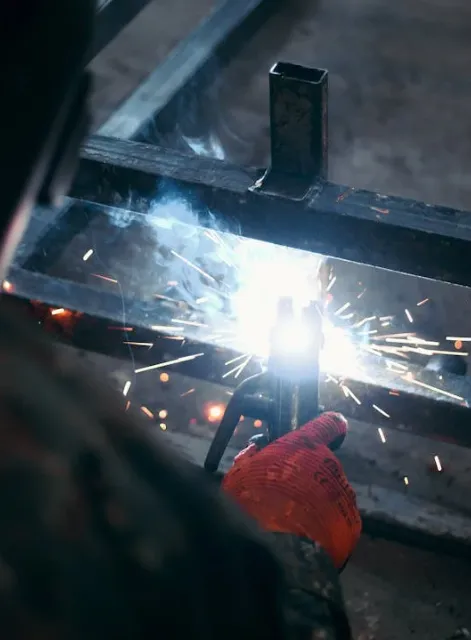
Joining and assembly methods are crucial in manufacturing, as they involve connecting multiple components to create a final product. These techniques include welding, soldering, brazing, adhesive bonding, and mechanical fastening. Welding is a common joining technique that involves fusing materials, typically metals, using heat and pressure. This process creates strong, permanent bonds, making it ideal for applications requiring high strength and durability. Soldering and brazing, on the other hand, use a filler material to join components without melting the base materials, offering more flexibility and precision in assembly. Adhesive bonding and mechanical fastening provide additional options for joining components, each with its unique benefits and limitations. Adhesive bonding offers a clean, aesthetically pleasing finish and is suitable for joining dissimilar materials, while mechanical fastening provides a reliable, detachable connection.
Conclusion
In the dynamic field of manufacturing, being knowledgeable about various production processes is important. By understanding additive manufacturing, subtractive manufacturing, forming and shaping, casting and molding, and joining and assembly methods, you may help enhance product quality and efficiency.