


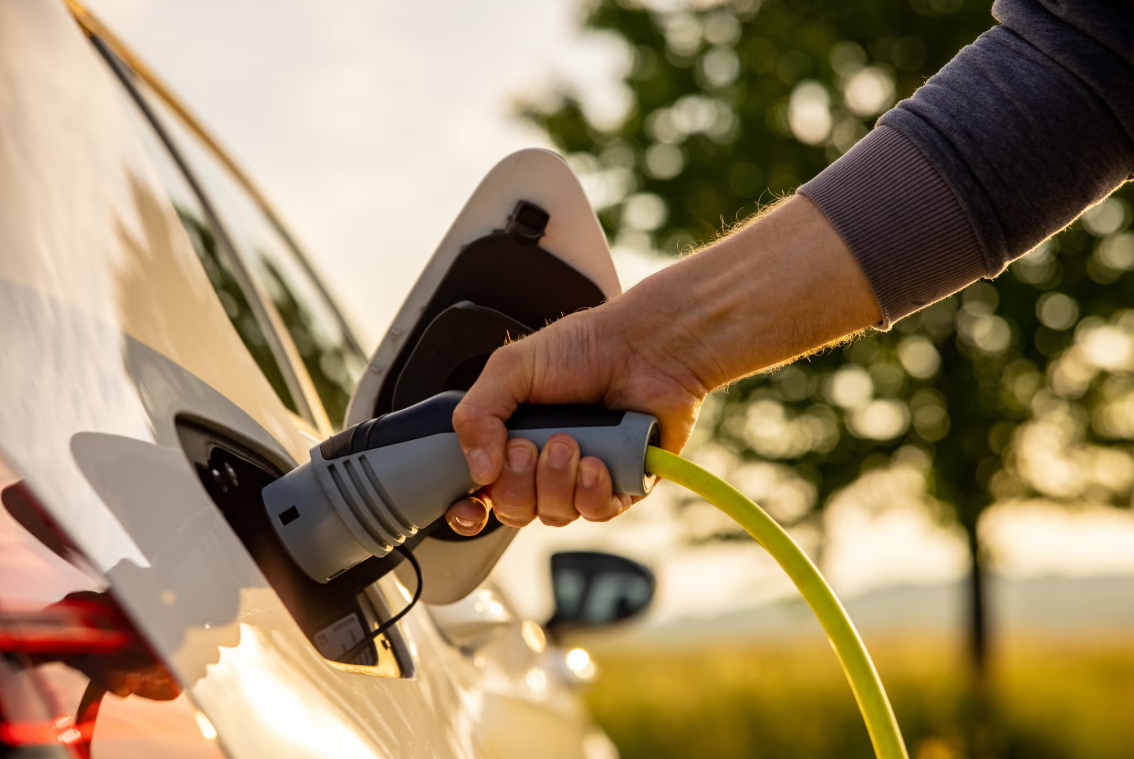
As electric vehicles (EVs) become more common, homeowners are increasingly investing in EV charger installation at home. Installing a charger not only adds convenience but also ensures that your vehicle is charged safely and efficiently. However, making mistakes during installation can lead to unnecessary costs, safety risks, and even damage to your home’s electrical system. Understanding the most common errors can save you money and headaches while ensuring your EV runs smoothly for years to come.
Mistake 1: Choosing the Wrong Charger Type
Not all chargers are created equal. Many homeowners make the mistake of purchasing a Level 1 charger (120 volts) instead of a Level 2 charger (240 volts), assuming it will be sufficient for daily use.
- Level 1 chargers can take up to 20 hours to fully charge an EV with a 60 kWh battery, which is impractical for regular driving.
- Level 2 chargers reduce charging time to 4–8 hours, making them ideal for overnight charging.
Selecting the right charger type is crucial for maximizing efficiency and minimizing energy costs. A Level 2 EV charger installation might cost more upfront but provides long-term savings and convenience.
Mistake 2: Ignoring Electrical Capacity
Your home’s electrical panel must be able to support the added load of an EV charger. A common mistake is installing a charger without checking if the panel can handle the additional amperage.
- Standard Level 2 chargers require 30–50 amps.
- Homes with older or undersized panels may need an upgrade, which can cost $1,000–$2,500 depending on your location.
Failing to address this issue can lead to tripped breakers, overheating, and even fire hazards. Always consult a licensed electrician before beginning an EV charger installation.
Mistake 3: Improper Placement of the Charger
Where you install your EV charger matters. Placing it in a location that’s hard to access, exposed to weather, or far from the electrical panel can cause frustration and increased costs.
- Chargers should ideally be close to the parking area and protected from rain or direct sunlight.
- Long cable runs can increase installation labor costs and reduce efficiency.
By carefully planning placement, homeowners can avoid extra installation costs and ensure daily convenience.
Mistake 4: DIY Installation Without Expertise
While some may attempt a DIY EV charger installation, this is rarely advisable. Installing a high-voltage device involves working with complex wiring and requires compliance with local building codes. Mistakes can result in:
- Voiding the charger warranty
- Failing electrical inspections
- Safety hazards, including electric shock or fire
Hiring a licensed electrician ensures your installation meets safety standards, saving you potential repair costs and liability issues.
Mistake 5: Overlooking Incentives and Rebates
Many homeowners pay the full cost of EV charger installation without researching available incentives. Federal, state, and utility programs often offer significant savings:
- The federal EV charger tax credit can cover up to 30% of installation costs.
- Some states and utilities offer rebates or discounts on equipment and installation.
By neglecting these opportunities, you may miss out on hundreds — or even thousands — of dollars in potential savings.
Mistake 6: Neglecting Smart Features
Modern EV chargers often include smart technology that can optimize charging schedules, track energy usage, and even integrate with solar panels. Skipping these features is a missed opportunity for efficiency.
- Smart chargers allow off-peak charging, reducing electricity costs by up to 60%, depending on your utility’s time-of-use rates.
- Some apps provide real-time energy tracking, helping homeowners adjust their habits to save more.
Investing in a smart charger during EV charger installation maximizes long-term savings and convenience.
Mistake 7: Failing to Plan for Future Needs
Many homeowners install a single EV charger without considering future vehicle purchases or upgrades. If you plan to add another EV or upgrade to a higher-capacity vehicle, a single 40-amp charger may be insufficient.
- Upgrading later can be more expensive, as it may require additional wiring, panel upgrades, or new permits.
- Planning for a dual or higher-capacity charger initially can save both money and time.
Forward-thinking installation ensures your home remains ready for evolving technology.
Mistake 8: Skipping Professional Inspections
Even after a licensed electrician completes an installation, some homeowners skip follow-up inspections. Inspections confirm that the charger and electrical system are compliant with local codes and safe to operate.
- A proper inspection can detect hidden issues before they become costly problems.
- Many local codes and insurance policies require an official inspection for coverage and warranty purposes.
Skipping this step can lead to safety risks and even insurance complications if damage occurs.
Conclusion: Avoiding Costly Mistakes Pays Off
EV charger installation is a valuable investment for any electric vehicle owner, but it must be done correctly to ensure safety, efficiency, and cost savings. By avoiding common mistakes — from choosing the wrong charger to neglecting permits, electrical capacity, and smart features — homeowners can enjoy a seamless charging experience and reduced energy bills.
Planning carefully, hiring licensed professionals, and taking advantage of rebates or incentives ensures that your EV charger installation not only meets your current needs but also prepares your home for future growth. Avoiding these errors will save money, improve safety, and make your transition to clean, electric driving a smooth and rewarding experience.