


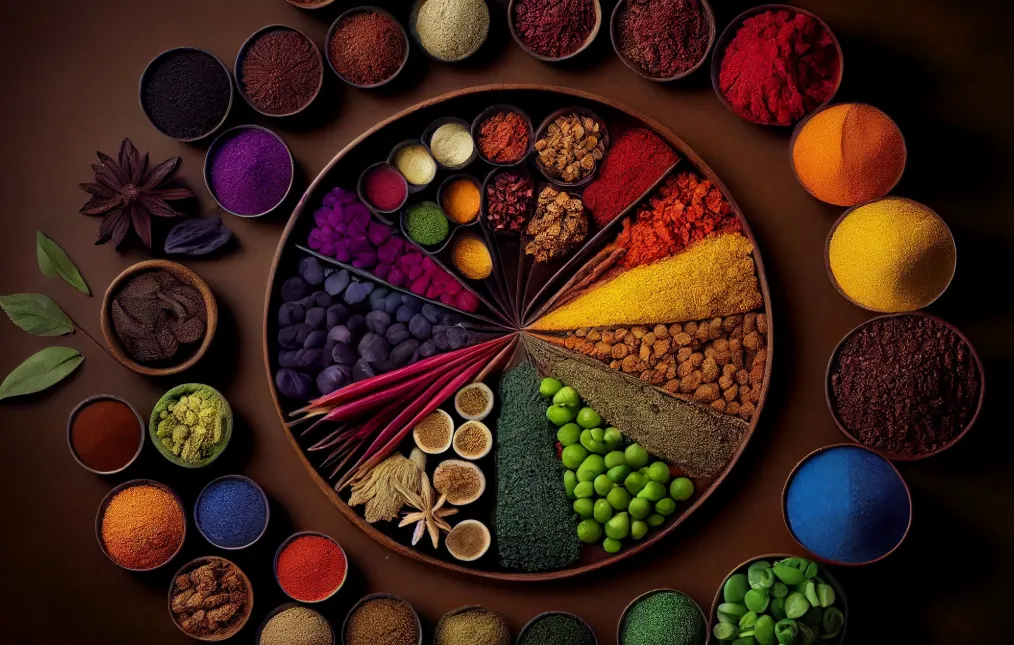
In today’s health-conscious world, consumers are increasingly seeking transparency in what they eat—from the ingredients in their food to the colors on their plate. This shift has given rise to a booming industry centered around natural food colors—a sustainable alternative to synthetic dyes that not only enhance the visual appeal of food but also align with the clean label movement.
But what exactly goes into manufacturing these nature-derived hues? And who are the key players driving this colorful revolution?
What Are Natural Food Colors?
Natural food colors are pigments derived from plant, animal, or mineral sources. Unlike synthetic dyes, which are chemically formulated, natural food colors come from ingredients you’d recognize—such as beetroot, turmeric, spinach, carrots, and even red cabbage. These colors are processed and standardized for use in foods, beverages, supplements, cosmetics, and even pharmaceuticals.
Some popular natural colorants include:
- Carotenoids – From carrots and tomatoes, offering yellow to deep orange shades
- Anthocyanins – Found in berries, grapes, and purple corn, producing reds, purples, and blues
- Chlorophyll – Extracted from leafy greens for green tones
- Curcumin – From turmeric, yielding a bright yellow hue
- Betanin – From beets, providing vibrant pinks and reds
How Are Natural Food Colors Manufactured?
The manufacturing process for natural food colors blends food science with sustainability. Here’s a simplified look at how it works:
- Sourcing Raw Materials
Manufacturers start by sourcing high-quality raw materials—fruits, vegetables, herbs, and spices. Sourcing is often seasonal and location-dependent, making supply chain management a key part of the business. - Extraction
The desired pigment is extracted using methods like water extraction, solvent extraction, or pressing. In many cases, ethanol or water is used to ensure food safety and compliance. - Purification
The extracted pigment is purified to remove any unwanted components like plant fibers or oils. This helps standardize the color and increase shelf life. - Concentration and Stabilization
The purified pigment is then concentrated and often blended with natural stabilizers to improve its heat, light, and pH stability—critical for food applications. - Drying or Emulsification
Depending on the end-use, colors are spray-dried into powders or emulsified into liquid forms. This makes them versatile for use across different food systems—from baked goods to beverages. - Quality Control
Every batch undergoes rigorous testing for color consistency, microbiological safety, and compliance with global food regulations (such as FDA, EFSA, or FSSAI standards).
Challenges in Natural Color Manufacturing
Despite the appeal, natural food color production faces several hurdles:
- Stability: Natural pigments can be sensitive to heat, light, and pH, requiring innovative stabilization techniques.
- Cost: Compared to synthetics, natural colors are costlier to produce, especially given seasonal availability and yield variability.
- Color Consistency: Nature doesn’t always produce identical batches, so standardization is a continuous challenge.
Yet, with consumer demand surging and advancements in food technology, the industry is rising to meet these challenges head-on.
The Future is Bright—And Natural
With global regulations becoming stricter on artificial additives, and clean-label preferences going mainstream, natural food colors are no longer a niche trend—they’re the new norm. As innovation continues and consumer awareness grows, the natural color industry is poised to paint a healthier, more vibrant future for food.
Whether you’re in product development or simply curious about what goes into your favorite pink lemonade, the world of natural food color manufacturing offers a fascinating intersection of nature, science, and sustainability.