


Living with lymphoedema can be physically and emotionally challenging. The condition, marked by chronic swelling usually in the arms or legs occurs when the lymphatic system doesn’t function properly. However, there’s good news: with proper care and the right approach, managing this condition becomes not only possible but also empowering. Let’s explore what lymphoedema is, how it’s treated, and what daily life is like for those working to manage it.
What Is Lymphoedema?
Lymphoedema is a long-term condition characterized by the accumulation of lymph fluid, resulting in swelling, typically in the limbs but sometimes affecting other parts of the body. This happens when the lymphatic system is damaged or blocked. It can be caused by cancer treatments, surgery, infections, or even inherited disorders.
It’s essential to recognize that lymphedema is a progressive condition. This means that without intervention, it may worsen over time. That’s why early recognition and proper lymphoedema treatment are crucial to maintaining mobility, comfort, and quality of life.
Recognizing the Symptoms Early
Knowing the signs early can make all the difference. The most common symptom is swelling in a limb or area of the body, which may initially come and go but tends to become more persistent over time. The skin might feel tight or heavy, and clothing or jewellery may suddenly feel snug. Some people notice discomfort, aching, or even a decreased range of motion.
Getting diagnosed early allows individuals to start lymphoedema treatment before the swelling becomes too advanced or causes complications, such as skin changes or infections.
The Core Principles of Lymphoedema Treatment
Manual Lymphatic Drainage (MLD)
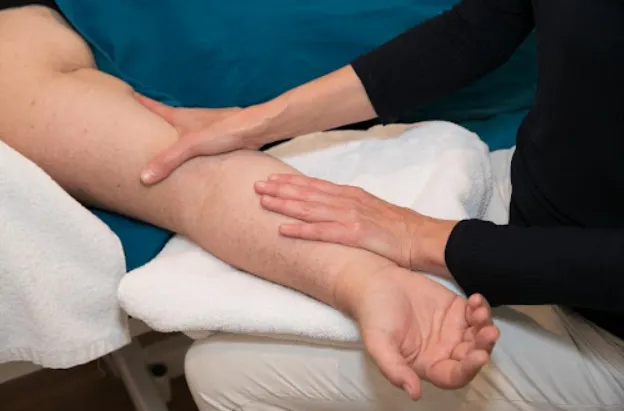
One of the most common and effective therapies is manual lymphatic drainage, a specialized form of massage that involves gentle manipulation of the lymphatic system.
Trained therapists use gentle, rhythmic hand movements to stimulate the flow of lymph fluid and redirect it to healthy parts of the lymphatic system. It’s not a typical massage—it’s light and purposeful, focused on fluid movement rather than muscle relaxation.
Compression Therapy
Another central component of lymphoedema treatment involves compression. This may include compression garments, such as sleeves, stockings, or wraps, that apply consistent pressure to the affected area. This helps prevent fluid from accumulating and supports the flow of lymph.
Compression bandaging might also be used in more advanced cases, particularly in the early stages of treatment. The goal is to gradually reduce swelling before switching to long-term garment use.
Skin Care and Hygiene
People with lymphoedema are more prone to infections such as cellulitis. That’s why skin care is not just a cosmetic concern, it’s part of treatment. Keeping the skin clean and moisturized helps reduce the risk of cracks or irritation, which can lead to infection.
Exercise and Movement
Gentle, regular movement is beneficial. It promotes lymph flow and strengthens the muscles that help pump lymphatic fluid. Activities like walking, swimming, light yoga, or stretching routines tailored to your needs can all support the treatment process.
Movement should be approached with care; overexertion can worsen symptoms. A therapist or physiotherapist familiar with lymphoedema can help design a safe and effective plan.
Emotional Well-being and Support
While physical symptoms are the most visible, the emotional weight of living with lymphoedema shouldn’t be overlooked. It can affect self-esteem, body image, and everyday confidence. Clothing may not fit the same. Activities may feel limited. There can be days of frustration and fatigue.
Finding a support system is key. Whether it’s connecting with others who have the condition, speaking to a counsellor, or simply opening up to family and friends, mental and emotional support are just as important as physical care.
Creating a Personalized Lymphoedema Treatment Plan
There is no one-size-fits-all solution. A personalized plan is crucial for effective management. This may involve collaborating with a multidisciplinary team that includes a general practitioner, a lymphoedema therapist, a physiotherapist, and potentially a dermatologist or wound care specialist if complications arise.
Each treatment plan may include a mix of manual therapies, compression techniques, physical activity, dietary guidance, and home routines. Over time, it may be adjusted depending on how the condition responds.
Long-Term Management and Lifestyle
Lymphoedema doesn’t go away, but with consistent care, its impact can be reduced significantly. People who manage their condition effectively often go on to live active, fulfilling lives. The key lies in regular self-care routines, staying informed, and staying connected with health professionals who understand the condition.
It’s also helpful to be mindful of certain risk factors that can exacerbate swelling, such as high temperatures, intense exertion, injury to the affected limb, or prolonged inactivity.
Final Thoughts
Lymphoedema may be a chronic condition, but it doesn’t have to control your life. Understanding the condition and taking proactive steps can help reduce its impact and restore a sense of balance and confidence.
With the right lymphedema treatment approach, it becomes not just about managing symptoms but also about reclaiming comfort, mobility, and overall well-being. By listening to your body, following a personalized care plan, and surrounding yourself with support, it’s entirely possible to thrive.