


Image credits
Have you ever noticed your aging parent starting to forget conversations or everyday things more often?
It is tough to watch, but more difficult for you when you don’t know how to help them overcome this challenge.
What if some simple memory exercises like games could make a difference? It is not about any therapeutic session or long program. Simple, easy games, puzzles, word searches, or card matching can keep the minds of older adults active and engaged.
Such games are not just fun distractions; they stimulate their brain to think, build focus, and lift spirits. In fact, many studies have illustrated that mental stimulation supports memory and slows cognitive deterioration in older people.
Most importantly, you don’t need any bulky setups or specialized tools to get the activity started. Even if it’s five minutes of playtime or an entire family game overnight on the weekend, it’s all helpful.
If you are keen to know more about how memory games are a smart addition to your senior’s lifestyle, then read the full article.
1. Memory Games Support Cognitive Health
Ai generated
Aging causes the brain to slow down, making it hard to remember and process information. Memory games for seniors act as exercises that balance such setbacks, ultimately resulting in improved mental clarity and a better lifestyle.
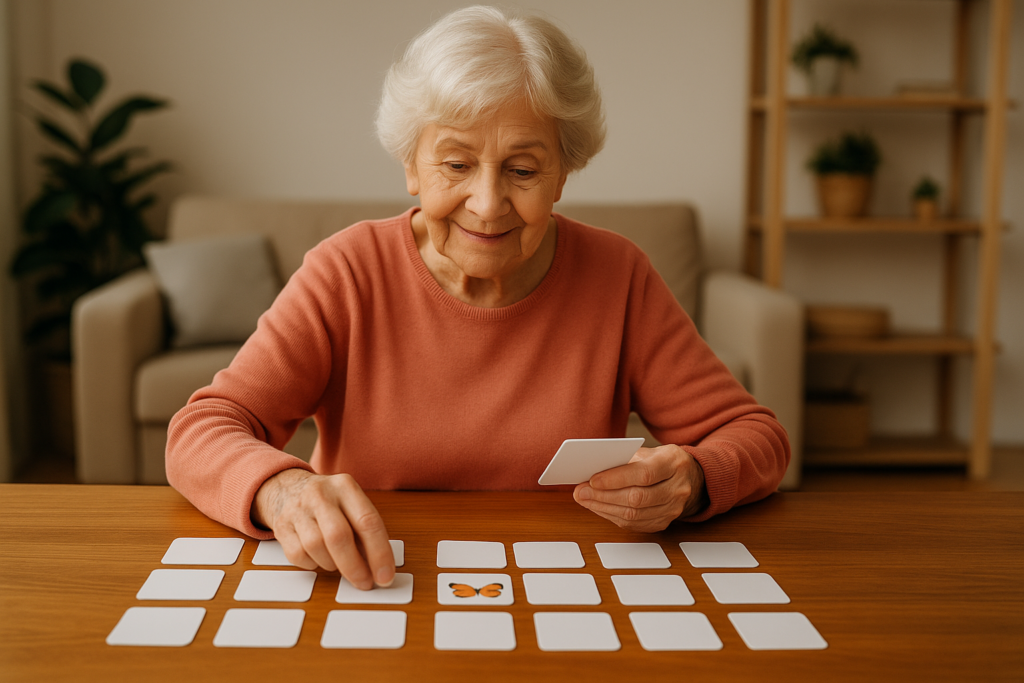
Simple activities, such as pairs of matching cards, puzzles using numbers or search for difficult words, keep neural pathways active. These games make the brain think, recall and respond, hence strengthening its core capacities.
Overall, memory exercises, when practiced over time, tend to slow the development of memory loss and strengthen brain health in general. As a result, seniors can delay mental decline, handle their routines more effectively and achieve greater independence by playing memory games regularly.
2. Encourage Daily Mental Engagement
Mental exercise is vital, and importantly, for the aging brain, it is primarily necessary. Memory games serve as a great medium for infusing mental activity into an elder’s daily routine.
Whether it is a quick crossword puzzle over morning coffee. Or perhaps a few minutes of matching card games before bed? These little games train the mind while they seem like just fun and not any burdensome task.
Unlike passive entertainment sources like surfing through the internet or watching television, games demand the player’s active engagement. Frequent brain exercise through such games helps people remember things more easily, focus better and make decisions faster.
Thus, it is a very helpful and low-pressure approach to help keep your older adult brain alert over time.
3. Boost Mood and Reduce Stress
Memory games don’t just exercise the brain. They support emotional wellness, too. Many older adults struggle with feelings of isolation, boredom and anxiety.
Playing games can create a sense of purpose and achievement. Completing a puzzle or winning a round releases feel-good chemicals in the brain, like dopamine. These moments of success can help improve mood and reduce stress. When done with others, games also offer valuable social interaction, which is known to ease feelings of loneliness. Even solo games provide structure and enjoyment that brighten the day.
4. Strengthen Focus and Attention
As people age, multitasking can become more difficult, and attention span often shortens. Memory games help improve focus by training the brain to concentrate on specific tasks.
Whether it’s finding pairs in a card game or completing a number pattern in Sudoku, the player must tune out distractions to succeed. Over time, this strengthens the brain’s ability to stay present and engaged.
Stronger focus can translate into better decision-making and more confidence in daily tasks like cooking, driving, or managing medication. It’s a simple way to sharpen a vital life skill.
5. Fit Easily into Any Daily Routine
Whether playing for 10 minutes after breakfast or during quiet time in the afternoon, they’re flexible and easy to work into existing habits.
Unlike strenuous physical activities, these games are gentle on the body while actively engaging the mind. Their simplicity makes them ideal for consistent use at home while waiting for appointments or as part of a relaxing evening.
Consequently, memory games don’t require special preparation, expensive tools, or long-time commitments. That’s what makes them a smart addition to any senior’s routine.
6. Create Opportunities for Social Connection
Image credits
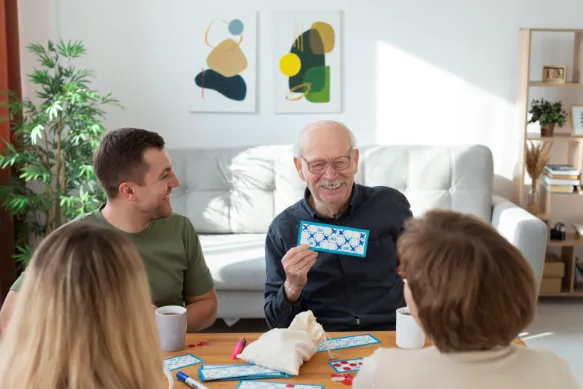
Memory games bring people together, thus add a fun social element to your senior’s day. Whether played with family or in a group, memory games reduce loneliness and encourage conversation.
Laughter, teamwork, and light competition make older adults feel connected and valued. These interactions also boost language, memory, and focus, supporting both emotional and cognitive well-being in a relaxed, enjoyable way.
7. They Help Maintain Independence Longer
One of the biggest concerns with aging is the gradual loss of independence. Memory games support mental agility, helping older adults stay sharp and confident in daily tasks.
Regular brain stimulation improves memory, decision-making, and problem-solving. This makes it easier to manage routines like taking medication or following conversations.
Adding memory games to a senior’s day is a smart, proactive step toward maintaining independence and quality of life.
Bottomline
Memory games offer more than entertainment; they provide real cognitive benefits for older adults. From boosting recall to improving focus, these simple activities support the mental sharpness needed for daily independence.
They’re easy to fit into any routine, require no special tools, and can be enjoyed alone or with loved ones. Whether it’s five minutes a day or weekend family game time, every bit helps. Adding memory games to a senior’s routine is a small habit with a lasting impact, one that supports both brain health and overall quality of life.