


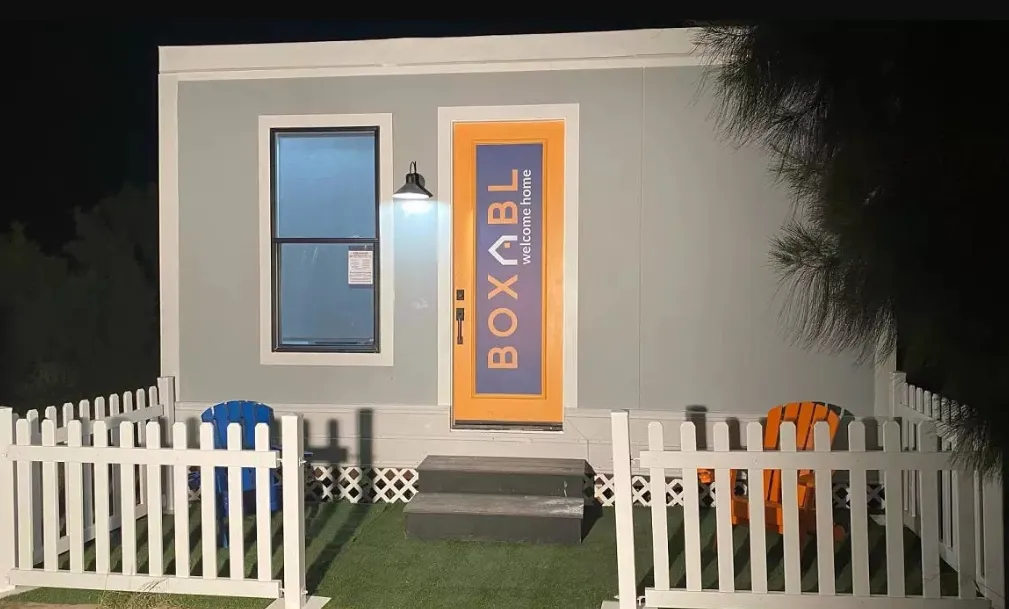
The site plan is drawn, a 700 square foot casita is staked out on a one acre Sonoran Desert lot, and the county plan reviewer asks about wastewater capacity before anyone has priced a single window. That is usually the moment a homeowner starts calling around for septic systems Scottsdale AZ crews can actually permit, roughly a week after the drawings were supposed to sail through. An added dwelling is a wastewater problem before it is a construction problem. Bedrooms and fixtures drive the design, and a 1,000 gallon tank sized for a three bedroom house in 1994 does not stretch to cover a kitchenette, a full bath and a laundry hookup. The fix is rarely a patch on the old system. It is a designed installation with its own soil test, its own sizing math and its own inspection, and it belongs in the budget the same week the floor plan does.
What Happens When A Casita Meets An Old Tank
The case we see most often is a tank set in the early nineties, never inspected, still working well enough that nobody gave it a thought. Age matters more than owners expect. The Environmental Blog reported in May 2026 that most septic systems last about 20 to 40 years depending on system design, materials, soil type, household use and maintenance history, and that a system past 25 years with no recent professional inspection is a real unknown. A tank that has quietly carried one household for three decades is not a foundation to build a second dwelling on. Capacity is the other half of the problem, since sizing is driven by bedroom count and fixture units, so a casita changes both the required tank volume and the disposal field area at once. Rules vary by county and by soil, so the number that counts is the one the county environmental services office will sign, not a figure pulled off a forum.
A homeowner out toward Rio Verde had her guest house picked out down to the tile before anyone pulled the lid on the existing tank in February. The soil test came back tight, the design called for a larger disposal field than the original, and the wastewater line moved her budget by five figures. She built it anyway, four months later than planned.
Where The Money Actually Goes On Desert Lots
Treat what follows as planning figures for a homeowner sketching a budget, not as a quote, because every lot prices itself. Say the site evaluation and percolation testing runs $900 to $1,800 on an acre. Design work and county permit fees add another $700 to $1,500. A 1,250 gallon tank delivered and set might be $1,800 in plastic or $3,500 in concrete, so call it $3,500. Honestly, closer to $4,200 once the truck time and a second inspection trip land on the invoice.
Excavation is the wildcard here. Caliche and desert rock can turn a two hour dig into a two day one, which is why $2,000 on a soft lot and $6,000 on a rocky one are both ordinary outcomes. The disposal field is the largest single line, usually $4,000 to $9,000 depending on what the soil forces the designer to build, and an alternative treatment unit pushes that higher on the tightest lots. Connection, testing and final inspection close it out at $800 to $1,500. Stack the low ends and a clean job sits near $8,000. Stack the high ends on rock and $25,000 stops sounding like a scare number. Price the wastewater capacity before you price the finishes.
One item in that budget has nothing to do with money. Nobody opens a septic tank lid, leans into an access port or climbs into a tank, ever, not to look and not to measure, because tank gases can drop a healthy adult in seconds. The contents are a health hazard on contact too: EPA guidance on sanitary sewer overflows states that raw sewage carries bacteria, viruses, protozoa (parasites), helminths (intestinal worms), and molds and fungi, so the rule is no entry and no contact. If sewage surfaces in the yard, keep people and pets off that ground and call a licensed contractor. If someone goes down near an open tank, do not climb in after them, call 911. Septic design and installation runs through county permitting and inspection for the same reason, which is why it is not a weekend add-on to a casita build.
The Right Questions Beat The Cheapest Bid
Bids on this work spread wider than they should, and the spread usually comes from what each contractor assumed rather than what each one charges per hour. One may have priced a conventional gravity field. Another read the same soil report and priced an aerobic treatment unit with a control panel and a service contract behind it. Make the assumptions visible before you compare the totals.
- What tank size and disposal field area does my bedroom and fixture count actually require? A good answer cites the county sizing method, not a round number.
- Who pulls the permit and schedules the inspections? It should be the contractor, and it should be in the proposal.
- What does this bid assume about soil and rock, and what happens to the price if the excavation hits caliche? Look for a stated allowance instead of silence.
- Is the existing tank being abandoned, reused, or left serving the main house? Each path carries a different cost and a different inspection.
The cheapest bid is often the one that left the disposal field at its original size and let the plan reviewer catch it later. That correction costs more than the difference between the bids, and it costs weeks nobody budgeted. A contractor who runs the site evaluation, the soil testing, the sizing, the permit and the field work as one job owns the whole outcome, which matters when an inspector wants a change at the trench.
Homeowners who price septic systems Scottsdale AZ inspectors will sign off on, and price them at drawing stage, are the ones who break ground on schedule. Get the soil tested before the plans are final, then let the permit run alongside the rest of the build instead of behind it. The casita still costs what it costs. It just stops being the surprise that holds up everything else.