


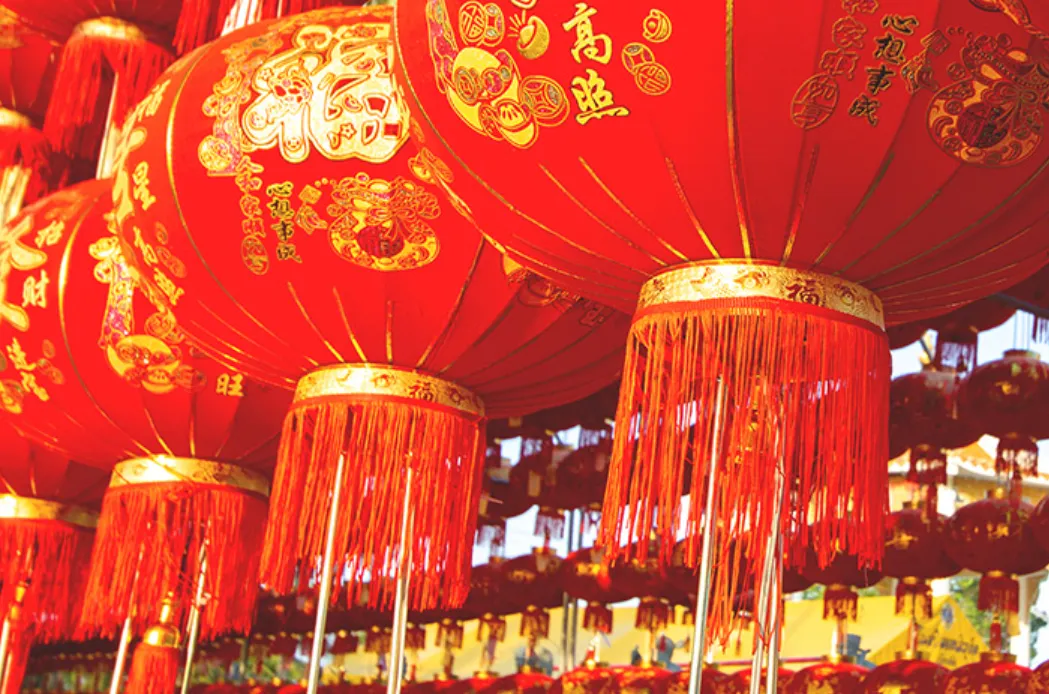
To anyone beginning to learn Mandarin online or working closely with an online Chinese teacher, one of the first cultural observations that stands out is the omnipresence of the color red in Chinese society. From festival decorations to wedding attire, red appears not as mere ornamentation but as a deeply embedded symbol within the collective consciousness of China. Its meaning extends far beyond aesthetic preference—it represents life, vitality, and the perpetual hope for prosperity and happiness.
The cultural association of red can be traced back thousands of years to ancient rituals and cosmological beliefs. In early Chinese thought, red was linked to the element fire (huǒ) in the Five Elements theory (wǔxíng), signifying warmth, energy, and the south. Historical records also indicate that red pigments were used in oracle bone inscriptions and ceremonial objects, establishing it as a sacred and auspicious color from the earliest stages of Chinese civilization. Over time, red came to symbolize not only good fortune but also protection from malevolent forces. The legend of Nian, a monster scared away by red banners and firecrackers during the Spring Festival, still shapes modern New Year customs today.
In social life, red continues to mark significant transitions and celebrations. Wedding dresses, traditionally red, are chosen to invoke happiness and marital harmony. During the Lunar New Year, families exchange red envelopes (hóngbāo), symbolizing blessings and wealth for the coming year. Even in business, red has maintained a powerful psychological association with success and growth—so much so that shop signs, corporate logos, and ceremonial ribbons are often red to invoke prosperity.
Language schools like GoEast Mandarin, teaching Chinese, often emphasise cultural details in their teaching, integrating language with context. When learners study idioms, poems, or festival customs, understanding the symbolic meaning of colors—´, especially red, enriches comprehension beyond literal translation. Whether learning in Shanghai or through online courses, students gain awareness of how vocabulary reflects deeper historical and emotional frameworks that persist in daily life.
Red, therefore, is not simply a color but a cultural thread woven into the fabric of Chinese identity. It unites myth, emotion, and social practice into one continuous narrative, from ancient fire rituals to modern city lights.