


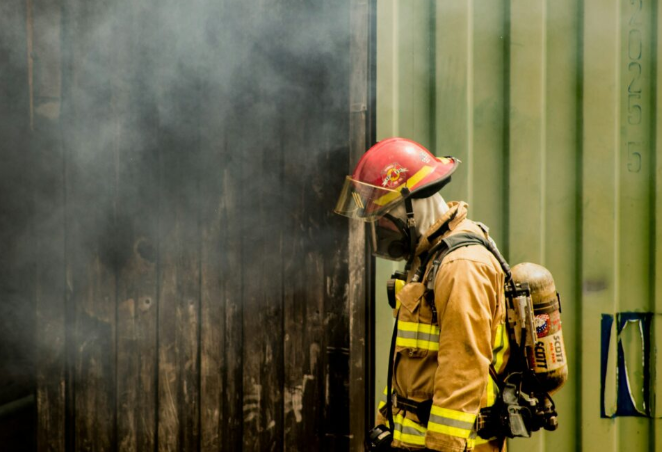
Experiencing a fire in your home or business ranks among the most devastating events anyone can face. Beyond the immediate danger, the aftermath leaves property owners staring down extensive damage from flames, smoke, soot, and the water used to fight the fire itself. Understanding how the restoration process unfolds can make a genuinely overwhelming situation feel a little more manageable. Knowing what to expect at each stage empowers property owners to make informed decisions and work more effectively alongside restoration professionals.
Initial Assessment and Safety Evaluation
The restoration process kicks off the moment emergency responders clear the scene and declare the property safe to enter. Trained professionals conduct a thorough inspection to assess the full scope of structural damage, smoke penetration, and water saturation throughout the building. This evaluation identifies which areas are salvageable, which materials need to come out entirely, and what immediate stabilization measures are necessary. Professionals also document everything meticulously — photographs, detailed reports, measurements — all of which support the insurance claim and guide the entire restoration plan moving forward.
Safety remains the absolute top priority during this phase. Restoration teams check for compromised structural elements like weakened floors, unstable walls, and damaged roof sections before any cleanup work begins. Utilities including gas, electricity, and water are all carefully assessed and shut off if necessary to prevent additional hazards throughout the process.
Board-Up, Tarping, and Property Stabilization
Once the initial assessment wraps up, restoration crews move quickly to implement emergency protective measures that shield the property from further damage. Broken windows, damaged doors, and open roof sections get boarded up or covered with heavy-duty tarps to block weather exposure, vandalism, and unauthorized entry. This step matters more than many people realize — secondary damage from rain, wind, or pests can significantly drive up restoration costs and timelines. When selecting a restoration company in Naples, FL, or wherever the problem is, property owners benefit enormously from crews that respond rapidly to put these stabilization measures in place, protecting whatever structural integrity remains and preserving more of the building’s salvageable materials.
Smoke, Soot, and Debris Removal
Among the most labor-intensive phases of the entire process is the removal of smoke residue, soot deposits, and fire-damaged debris. Soot is highly acidic and can cause permanent staining and corrosion on surfaces, electronics, and personal belongings surprisingly fast if not treated promptly. Restoration professionals rely on specialized equipment and cleaning agents designed specifically for smoke and soot removal — tools that far outperform anything available at a hardware store. This phase also covers the removal of charred materials, destroyed furnishings, and any debris that poses a health risk or gets in the way of structural repair work.
Odor elimination deserves special attention here as well. Smoke particles burrow deep into porous surfaces — drywall, insulation, wood framing, fabrics — embedding stubborn odors that simply won’t respond to conventional cleaning methods. Restoration teams deploy thermal fogging, ozone treatments, and air scrubbers equipped with HEPA filtration to neutralize odor-causing particles and restore acceptable indoor air quality throughout the structure.
Water Extraction and Drying
Many property owners are genuinely surprised to learn that water damage can be just as serious a concern as fire damage after a structural fire. Firefighters use thousands of gallons of water to extinguish flames, and that water saturates walls, flooring, and structural components throughout the building. Standing water gets extracted immediately using industrial-grade pumps and wet vacuums, followed by the strategic placement of commercial dehumidifiers and air movers to thoroughly dry all affected materials. Without proper drying, moisture trapped inside structural elements can trigger mold growth within just 24 to 48 hours — creating an entirely new category of damage that compounds both restoration costs and health risks.
Structural Repairs and Full Restoration
With cleaning, drying, and debris removal complete, the rebuilding phase can finally begin. Restoration professionals repair or replace damaged drywall, insulation, flooring, roofing materials, and structural framing wherever needed. This is the phase where a damaged, uninhabitable space gradually transforms back into a fully functional and safe environment. Skilled restoration teams coordinate every aspect of the rebuild — managing subcontractors, tracking timelines, and delivering results that meet or exceed the property’s original condition.
Conclusion
Fire damage restoration is a complex, multi-phase process that demands professional expertise, specialized equipment, and careful coordination at every turn. From the initial safety assessment through structural repairs and final restoration, each phase builds directly on the one before it, working toward bringing the property back to its pre-loss condition. Engaging an experienced, certified restoration team ensures that fire, smoke, soot, and water damage are all addressed thoroughly and efficiently. Acting quickly after a fire — and understanding each stage of what lies ahead — significantly improves outcomes and helps property owners reclaim their homes and their lives sooner rather than later.