


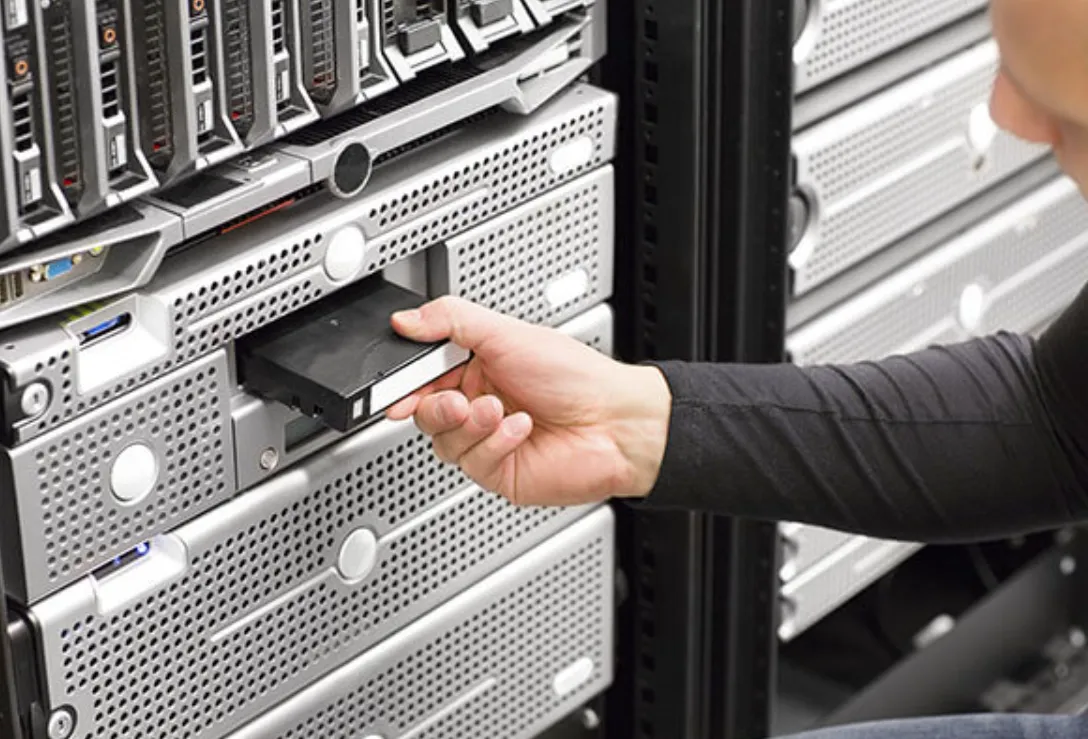
The digital landscape is in a constant state of evolution, with advancements in technology rapidly changing the way businesses operate. In this milieu, data remains a critical asset, driving insights and decisions crucial to success. As older data storage formats like magnetic tape reach obsolescence, the necessity to transition to newer, more efficient systems becomes paramount. This brings to the forefront the importance of tape data migration, an intricate process that involves moving data from legacy tapes to modern storage solutions.
Understanding Tape Data Migration
Tape data migration is a specialised field that caters to the transfer of data stored on magnetic tape media to contemporary storage platforms such as the cloud or high-capacity hard drives. This process not only ensures that data is preserved and made more accessible but also that it remains compliant with evolving regulatory standards.
Organisations that have traditionally relied on tape for backup and archival purposes find tape data migration to be a critical step in maintaining the integrity and availability of their historical data. It is a key strategy in data management as it helps in reducing costs and risks associated with maintaining legacy systems.
Why Migrate from Tape?
There are several compelling reasons for businesses to consider tape data migration. Tape media, while reliable over the short term, is susceptible to degradation over time, which can lead to data loss. The physical space required to store tape libraries is also significant, and as businesses grow, this can become impractical.
Moreover, retrieving data from tape storage can be a time-consuming process. In comparison, more contemporary storage solutions present the advantage of faster access times, along with better data management and recovery capabilities. The drive towards digital transformation further necessitates the need for data to be readily accessible for analytics and other advanced computational needs.
The Process of Tape Data Migration
The process of tape data migration involves several steps, starting from the initial assessment of tape libraries to the final validation post-migration. A critical first step is cataloguing the existing tape environment and understanding the specific data sets that reside on each tape. This is followed by choosing a suitable target storage environment that accommodates the volumes and types of data being migrated.
Data integrity is paramount during the migration process; thus, robust data verification methods are employed to ensure that data is accurately copied without any loss or corruption. The process also includes overcoming potential challenges such as dealing with various tape formats and potential compatibility issues with the new storage environment.
Challenges in Tape Data Migration
Navigating the migration process is not without its challenges. Obsolescence of hardware and software used to read older tapes can pose significant technical hurdles. Furthermore, ensuring that the data remains secure during the transition, especially when it comes to sensitive or regulated information, is vital.
Another potential issue is the sheer volume of data, which can be extensive when dealing with decades’ worth of archives. This makes it critical for businesses to have a clear and well-defined strategy for migration that aligns with their operational needs and compliance requirements.
Benefits of Successful Tape Data Migration
When effectively undertaken, tape data migration brings with it a host of benefits. The most significant is the peace of mind that comes from knowing that data is secure and that its longevity is assured. Modern data storage solutions offer increased durability and reliability, ensuring business continuity.
Additionally, having data on modern platforms enables better utilisation and analysis, allowing businesses to leverage their historical data to gain insights into past performance and to inform future strategies. Cost savings from reduced physical storage space and lower management overheads also contribute to the overall benefit of successful migration.
Choosing a Migration Partner
To navigate the complex tape data migration landscape, selecting a knowledgeable and experienced partner is vital. A reputable service provider will have the necessary tools and expertise to handle a broad range of tape formats and will be familiar with the common pitfalls and how to avoid them.
The transition partner should also offer comprehensive services, including transportation, secure handling of tapes, and the necessary software and hardware to read and transfer data. Tailored solutions that fit the specific needs and timelines of a business are essential components of a successful tape data migration service.
Future-Proofing Data Assets
Businesses need to look ahead and proactively manage their data assets. As technologies evolve, so too must the methods by which organisations store, access, and protect their valuable information.
Tape data migration is more than just a technical necessity; it is a strategic move that future-proofs data assets while ensuring their utility in the long run. By recognising the need to transition away from tape and embracing the migration process, businesses can secure their data legacy and position themselves for continued success in the digital era.
Conclusion
In conclusion, the significance of tape data migration cannot be overstated. It is an essential step for organisations that wish to safeguard their historical data while enabling a flexible and responsive IT environment. With the right approach and a trusted partner, businesses can seamlessly transition to modern storage solutions, thus ensuring data preservation and accessibility for years to come.
Driven by the relentless pace of technological innovation, the move away from legacy storage media is both inevitable and beneficial. Organisations that embrace this change will lay the groundwork for a data-rich future, where the insights of the past will illuminate the path forward.